
- Home Page
- Company Profile
-
Our Products
- Moisture Separator
- Flanged Moisture Separator
- Threaded Moisture Separator
- Compressed Air Moisture Separator
- Compressor Moisture Separator
- Automatic Combo Moisture Separator
- Lip Drain Bowl Moisture Separator
- Combo Moisture Separator
- Cast Iron Air Moisture Separator
- Air Moisture Separator
- Moisture Separator Flanged
- CI Air Moisture Separators
- Ss Moisture Separator
- Aluminum Moisture Separator
- Easy Operate Combo Moisture Separators
- Moisture Separator Filter
- Air Combo Moisture Separator
- Camlock Coupling
- SS 304 CAMLOCK COUPLING
- C Type Camlock Coupling 1/2"
- Ss304 Stainless Steel Camlock Coupling
- F Type Camlock Coupling
- DP Type Camlock Coupling
- B Type Camlock Coupling
- DC Type Camlock Coupling
- Stainless Steel Camlock Coupling
- Type C Camlock Coupling
- SS Cam Lock Fitting
- E Type Camlock Coupling
- Petro Equipment Aluminum Camlock Coupling
- TYPE A Camlock Coupling
- D Type Camlock Coupling
- Stainless Steel 304 Camlock Coupling
- Hydraulic Quick Release Coupling
- SS Camlock Couplings
- Heavy Stainless Steel 304 Camlock Coupling
- 80MM Aluminium Camlock Coupling
- CAMLOCK COUPLING
- Stainless Steel Type C Camlock Coupling Size 2 inch For Hydraulic Pipe
- Knife Edge Gate Valve
- Knife Edge Gate Valve With Pneumatic Operated
- Manual Operated Knife Edge Gate Valve
- Industrial Knife Edge Gate Valve
- Knife Edge Gate Valve With SS Cladding
- Knife Edge Valve For Chain Operated
- IC Knife Edge Gate Valve
- Knife Edge Gate Valve
- Bi Directional Knife Edge Gate Valve
- Pneumatic Cylinder Knife Edge Gate Valve
- Cylinder Operated Knife Edge Gate Valve
- Ss Knife Edge Gate Valve
- Pulp Valve
- Auto Drain Valve
- Steel Auto Drain Valve
- Mechanical Auto Drain Valve
- Auto Drain Valve Manufacturer Gujarat
- Digital Auto Drain Valve
- HIGH PRESSURE Auto Drain Valves Manufacturer In Gandhinagar
- DIGITAL Auto Drain Valve
- Brass Auto Drain Valve
- Auto Drain Valves Manufacturer In Bharatpur
- Auto Drain Valve With Timer
- Auto Drain Valves Manufacturer In Ahmedabad
- Auto Drain Valves
- Auto Drain Valves Manufacturer In Jaipur
- Roto Seal Coupling
- Quick Release Coupling
- Industrial Quick Release Coupling
- Quick Release Coupling
- Heavy Hydraulic Quick Release Coupling
- Premium Hydraulic Quick Release Coupling
- High Presure Quick Release Coupling
- SS Hydraulic Quick Release Coupling
- High Pressure Quick Release Couplings
- HIGH PRESSURE QUICK RELEASE COUPLING 1000 BAR
- 6000 Psi Quick Release Coupling
- Aluminium Camlock Coupling Type C
- Aluminium Camlock Couplings Manufacturers
- Aluminum Camlock Couplings - Water & Fuels
- Brass Quick Release Coupling For Heating Furnace
- Brass Quick Release Coupling
- Camlock Coupling Manufacturers In Mumbai KOLKATA
- Camlock Couplings Manufacturer In Amrawati
- Camlock Couplings Manufacturer In Bhilwara
- Camlock Couplings
- Camlock Couplings Manufacturer In Gandhinagar
- Camlock Couplings Manufacturer In Jaipur
- Camlock Couplings Manufacturer In Jodhpur
- Camlock Couplings Manufacturer In Mehsana
- Camlock Couplings Manufacturer In Porbandar
- Camlock Couplings
- Camlock Couplings
- Camlock Couplings Manufacturer In Udaipur
- Camlock Couplings
- Camlock Fitting Manufacturer
- Carbon Steel Male Quick Release Couplings, For Hydraulic Pipe, For Structure Pipe
- HIGH PRESSURE QUICK RELEASE COUPLING 1000 BAR
- High Pressure Quick Release Couplings
- High Presure Quick Release Coupling
- Hydraulic Quick Release Coupling (2)
- Metal Hydraulic Quick Release Coupling
- Industrial Camlock COUPLING
- Mold Quick Release Coupling, For Structure Pipe,
- Pneumatic HYDRAULIC Quick Release Coupler
- Pneumatic Quick Release Coupler
- Quick Release Connector
- Quick Release Coupling For Water
- Quick Release Coupling Manufacturer In Rajkot
- Quick Release Coupling Qrc Coupling
- Quick Release Coupling
- Roto Seal Coupling Manufacturer Gujarat
- Roto Seal Coupling
- Roto Seal Coupling
- Roto Seal Coupling
- Single Check Quick Release Coupling Manufacturers
- Single Check Valve Quick Release Coupling
- SS Camlock Coupling
- SS Hydraulic Quick Release Coupling
- Stainless Steel Qrc
- Stainless Steel Silver Aluminum Camlock Coupling For Petrol Tank, Size 3 inch
- Stainless Steel Through Out Qrc , Male x Male, For Industrial, Size 14
- Gauge Cock
- Brass Ball Valve
- Needle Valve
- Air Compressor Filter
- Industrial Valve
- Oil Removal Filter
- Mini SS Needle Valve
- Knife Edge Gate Valve With Double Acting Cylinder
- Knife Gate Valves
- Auto Drain Valve
- SS Camlock Coupling
- Spherical Disc Butterfly Valves
- Aluminum Butterfly Valve
- Pneumatic Actuator Ball Valve
- CI Wafer Type Check Valve
- Cast Iron Pulp Valve
- Motorized auto drain valve Automatic Control Valves
- Moisture Separator With Auto Drain Valve
- Ball Valve
- Butterfly Handle Brass Ball Valve
- Chrome Plated Mini Ball Valve
- Brass Mini Ball Valve MALE TO MALE
- Brass RO Ball Mini Valves
- Brass Mini Ball Valves
- Brass Ball Valve
- IC Ball Valve
- SS Single Piece Ball Valve
- High Pressure Industrial Ball Valves
- Flush Bottom Ball Valve
- Ball Valve With Pneumatic Actuator
- Medium Duty Brass Ball Valve (1/2 Inch)
- Stainless Steel SS Bar Stock Ball Valve, Flange, Thread
- Aluminum Butterfly Valve Lug Type (150 mm)
- Brass Gas And Ball Valve
- Air Compressor Auto Drain Valve
- Hydraulic Quick Coupler
- Aluminum Roto Seal Coupling
- Air Pre Filter
- SS Siphon Pipe
- Bimetallic Temperature Gauge
- Water And Oil Filter
- Cam Lock Coupling
- 80 Mm Dia Aluminium Camlock Coupling
- Aluminium Camlock Coupling
- Aluminum Camlock Coupling For Petrol Tank
- Camlock Couplings Manufacturer In Ahmedabad
- Camlock Couplings
- Camlock Couplings Manufacturer In Bharatpur
- Camlock Couplings Manufacturer In Bhavnagar
- Camlock Couplings
- Camlock Couplings Manufacturer In Kota
- Camlock Couplings
- Camlock Couplings Manufacturer In Nadiad
- Camlock Couplings Manufacturer In Nagpur
- Camlock Couplings Manufacturer In Palanpur
- Camlock Couplings Manufacturer In Pune
- Camlock Couplings
- Hydraulic CAMLOCK COUPLING
- Petro Equipment Aluminum Camlock Coupling
- Quick Release Coupling Manufacturer In Surat
- Quick Release Coupling Manufacturer In Vadodara
- Quick Release Coupling Single Check
- SS 304 SINGLE CHECK QUICK RELEASE COUPLING
- SS Camlock Couplings
- Ss304 Stainless Steel Camlock Coupling
- SS316 Camlock Coupling
- SS 304 Camlock Coupling
- Silver Stainless Steel 304 Camlock Coupling
- Stainless Steel Camlock Coupling
- Stainless Steel Quick Coupling
- Stainless Steel Silver Aluminum Camlock Coupling For Petrol Tank,
- Type C Camlock Coupling
- Type D - Stainless Steel Camlock
- Moisture Separator
- Contact Us

 Send Inquiry
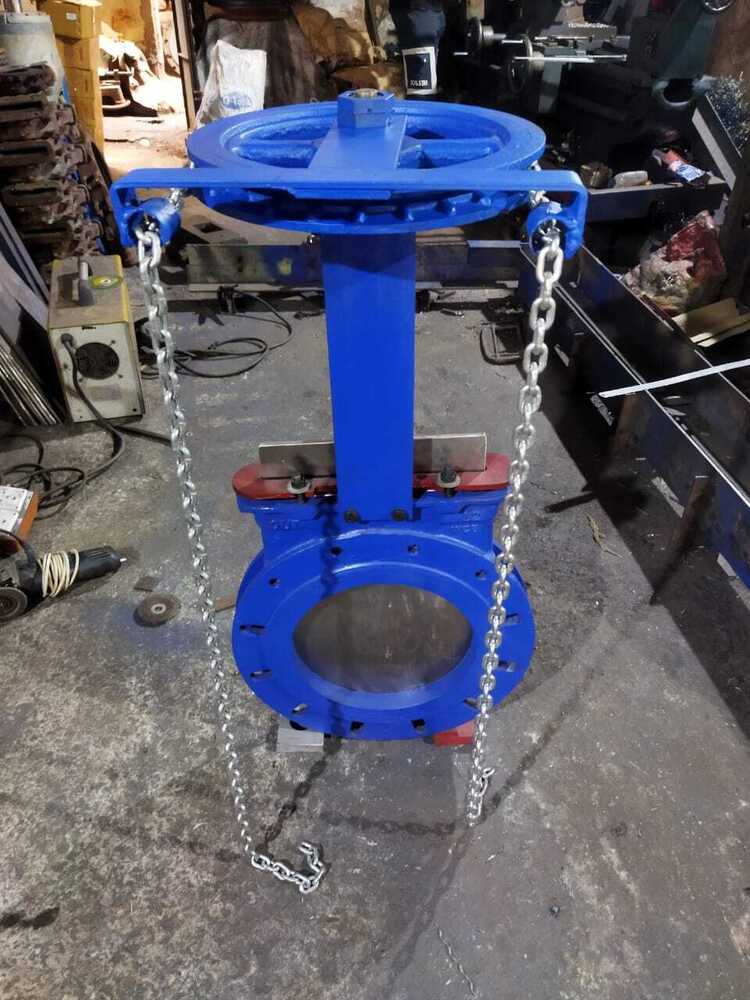
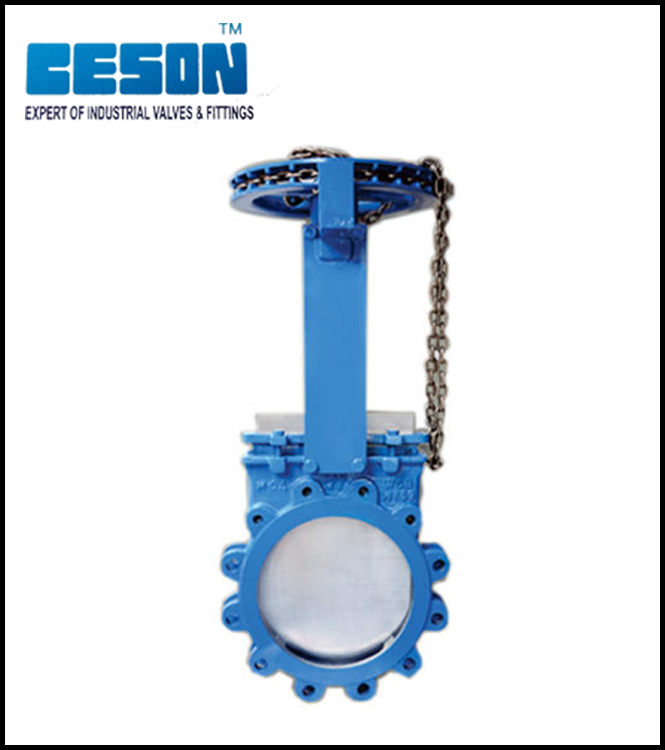
Pulp Valve For Paper Industries
Price 6800 INR/ Piece
Pulp Valve For Paper Industries Specification
- Usage
- Industrial
- Type
- Valves
- Size
- 2 to 12 "
- Pressure
- Other
- Product Type
- Pulp Valve For Paper Industries
- Media
- Water, Gas, Oil
- Weight
- 16 Kilograms (kg)
- Color
- BLUE
- Disc
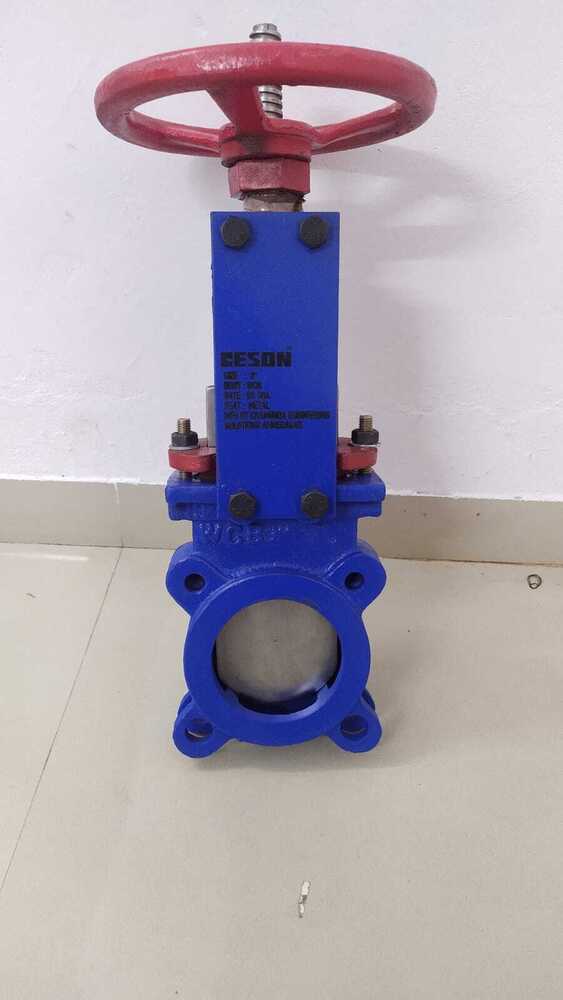
- Body: Pulp Valve Manufacturer In Ahmedabad Cast corrosion resistant steel or cast iron to provide receptivity against corrosion For all wetted parts Gate: Knife Edge Gate Valve The stainless steel knife gate plate is precision-buffed on both sides, to enhance Packing life and ensure positive shut off even heavy or high-viscous fluid. Stem: Pulp Valve Manufacturer In Ahmedabad Stainless steel or as desire, having double start thread rising / non-rising spindle, For fast closing and opening. Seat: Pulp Valve Manufacturer In Ahmedabad Renewable metal-to-metal, replaceable type, soft seat and other Suitable to application. In addition to standard stainless steel seat ring, rubber ring and Teflon seat rings are Available as options. Gland Packing:Pulp Valve Manufacturer In AhmedabadMulti layer gland packing in a variety of materials to suit condition provides total sealing End Connection :- Flanged End / ull Lugged, Wafer Flangeless, Two Lug, Wafer Flangeless, Flange Type,Pulp Valve Manufacturer In Ahmedabad Size :- 50mm T0 800mm (higher size on application) Knife Edge Gate Valve Rating Bar: Knife Edge Gate Valve body in C.S., S.S. and specially alloy, 10 bar Up to 300mm & 5 bar on higher sizes up to 600mm with body in Cast Iron / Ductile Iron. Drilling:-Pulp Valve Manufacturer In Ahmedabad Option Include ANSI, DIN, BS, JIS and AS standard; others on request Operation Available:-Knife edge Gate Valves Operation - Manual, Cylinder Operated, Electrical Actuator, Pneumatic Actuator with Manual Override. WIDELY USED FOR :Pulp Valve Manufacturer In Ahmedabad for Slurry Lines, Sludge and Viscous Media Handling, Pulp and Paper Stock Lines, Dry Solid and Powder Handling, High Temperature Gas Lines and Many More. Actuator: Pulp Valve Manufacturer In Ahmedabad Hand Wheel, Chain wheel, Bevel Gear hand wheel or chain wheel, Pneumatic Double Acting cylinder and electric actuator.
Pulp Valve For Paper Industries Trade Information
- Minimum Order Quantity
- 5 Number
- Payment Terms
- Cash in Advance (CID)
- Supply Ability
- 30 Per Month
- Delivery Time
- 7 Days
- Sample Policy
- Contact us for information regarding our sample policy
- Packaging Details
- 1.TAX ;- 18% GST 2. Delivery : READY STOCK 3. FOR :- AHMEDABAD OFFICE 4. Payment :100% Advance 5. Validity : 1 WEEKS and there after with our prior consent. 6. Price Basis : Ahmedabad 7.P&F :-EXTRA
- Main Domestic Market
- All India
Pulp Valve For Paper Industries About
Being a quality-driven business entity in the respective sector, we are passionately involved in bringing forth the best quality Pulp Valve For Paper Industries. Ideal for controlling or regulating the flow rates of varied fluids, pulp, etc., the valve is precisely designed and fabricated by domain experts using selected cast iron, and SS 304 / 316 with advanced casting technology. Featured with wafer type end connection, the Pulp Valve For Paper Industries is absolutely rust proof, durable, and can be availed in size from 2inch to 18" at fair prices.
Specification
|
Size |
2 to 12 " |
|
Brand |
CESON |
|
Usage/Application |
Industrial |
|
Body Material |
CI SS |
|
Material |
SS CI |
|
Model Name/Number |
PULP |
|
Corrosion Resistance |
AMK |
|
Max Pressure |
100 KG |
|
Media |
WATER GAS CHEMICAL AIR |
|
Packaging Type |
BOX PACKING |
Superior Corrosion Resistance
Constructed from high-grade cast corrosion-resistant steel or cast iron, this pulp valve is designed to withstand aggressive media and tough industrial environments. All wetted components are engineered for optimum corrosion resistance, significantly reducing maintenance needs and extending service life, even in challenging applications like slurry and viscous fluid handling.
Versatile Application & Precise Operation
Suitable for water, oil, gas, pulp, slurry, and other viscous media, the valve supports various end connections, including flanged and wafer styles. Its precision-buffed stainless steel knife gate provides reliable shut-off, while options for manual, pneumatic, or electric actuators accommodate tailored operational demands, ensuring seamless integration into your process.
FAQ's of Pulp Valve For Paper Industries:
Q: How is the pulp valve used in the paper industry?
A: The pulp valve plays a key role in regulating and isolating the flow of liquids such as water, slurry, and pulp stock in paper manufacturing processes. Its robust construction makes it ideal for handling high-viscosity and abrasive media commonly found in paper and pulp lines.Q: What benefits does a knife edge gate design provide?
A: The knife edge gate design, with stainless steel precision-buffed plates, ensures a tight shut-off and reduces wear on packing materials. This design is well-suited to cutting through slurry, viscous media, and fibrous materials, ensuring positive closure and reliable operation over time.Q: When should I choose a cast steel or cast iron pulp valve?
A: Choose cast steel or cast iron valves when you require high resistance to corrosion, especially in aggressive or abrasive environments. The choice between these materials depends on the specific chemical and temperature conditions of your application.Q: Where can the pulp valve be installed?
A: This pulp valve is suitable for installation in a range of industrial environments, including slurry lines, sludge and pulp stock lines in paper mills, dry solid and powder handling systems, as well as high-temperature gas pipelines. Its versatile design allows for integration into new or existing infrastructures.Q: What is the process for replacing the seat or gland packing?
A: Both the seat rings and gland packing are designed for easy replacement. Operators can select from stainless steel, rubber, or Teflon seat rings depending on application needs. Multi-layer gland packing can be changed with minimal downtime, ensuring optimal sealing and extended service life.Q: How do I select the correct operation method for my application?
A: Operation methods include manual hand wheel, chain wheel, pneumatic actuators, and electric actuators. Selection depends on process requirements such as operating pressure, frequency of use, and remote accessibility. Pneumatic and electric options offer automated control for high-frequency or hard-to-reach installations.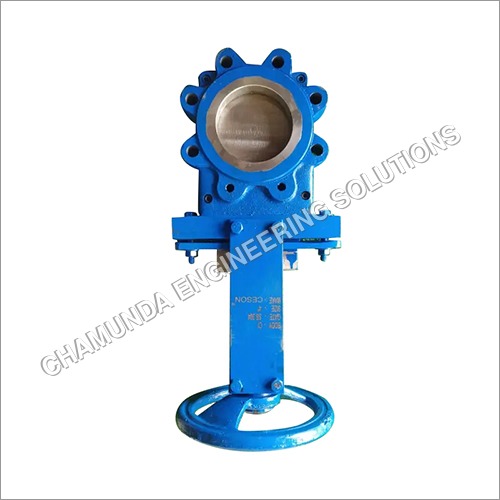
Tell us about your requirement

Price:
Quantity
Select Unit
- 50
- 100
- 200
- 250
- 500
- 1000+
Additional detail
Mobile number
Email

More Products in Pulp Valve Category
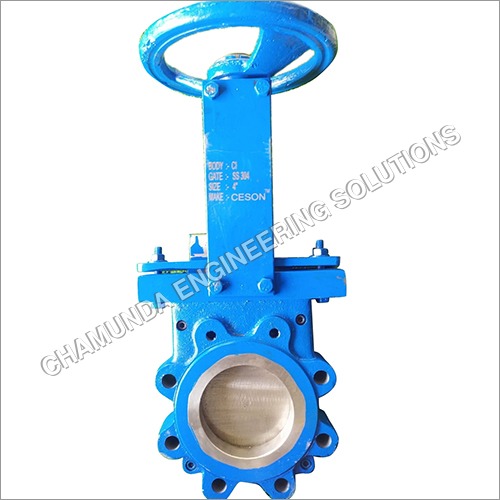
Mild Steel Pulp Valve
Price 10250 INR / Piece
Minimum Order Quantity : 10
Media : Water, Gas, Oil
Product Type : MS Pulp Valve
Color : Blue
Type : Valves

CHAMUNDA ENGINEERING SOLUTIONS
GST : 24APYPB0504M1ZV

- A 9., Safal Sumel Business Park 9, Near Hanumanpura Brts Bus Stop, Dhudheswar Road,Ahmedabad - 380004, Gujarat, India
- Phone : 08045811855

- Mr Naresh Bhungaliya (Director)
- Mobile : 08045811855
-
 Send Inquiry
 Send Inquiry
|

Our Products
- Moisture Separator
- Camlock Coupling
- Knife Edge Gate Valve
- Pulp Valve
- Auto Drain Valve
- Roto Seal Coupling
- Quick Release Coupling
- Gauge Cock
- Brass Ball Valve
- Needle Valve
- Air Compressor Filter
- Industrial Valve
- Ball Valve
- Brass Gas And Ball Valve
- Air Compressor Auto Drain Valve
- Hydraulic Quick Coupler
- Aluminum Roto Seal Coupling
- Air Pre Filter
- SS Siphon Pipe
- Bimetallic Temperature Gauge
- Water And Oil Filter
- Cam Lock Coupling

CHAMUNDA ENGINEERING SOLUTIONS
All Rights Reserved.(Terms of Use)
Developed and Managed by Infocom Network Private Limited.
Developed and Managed by Infocom Network Private Limited.


